
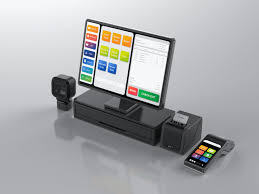
one-stop POS solution for retail The retail industry is changing faster than ever. By 2026, customer expectations, payment technologies, and data-driven decision-making will define which stores thrive and which struggle to survive. Traditional cash registers and disconnected software tools are no longer enough.
one-stop POS solution for retail
A one-stop POS system is not just a billing tool—it is the backbone of a modern retail business. It simplifies operations, reduces costs, and helps retailers respond quickly to market changes. In this article, we’ll explore why every retail store, from small shops to large chains, needs an all-in-one POS solution in 2026.
The Complexity of Modern Retail
Retail in 2026 is more complex than ever before. Customers expect:
- Multiple payment options (UPI, cards, wallets, BNPL)
- Fast and accurate checkout
- Personalized offers and loyalty rewards
- Real-time stock availability
one-stop POS solution for retail
Unified Sales and Inventory Management
One of the biggest advantages of a one-stop POS solution is real-time inventory tracking. Every sale automatically updates stock levels, helping retailers:
- Avoid overstocking or stockouts
- Track fast-moving and slow-moving products
- Plan smarter purchasing decisions
In 2026, real-time data is not optional—it’s essential. Retailers who rely on manual stock checks or delayed reports risk losing sales and customer trust.
Data-Driven Decisions with Built-In Analytics
Retail success in 2026 depends on data. A one-stop POS provides built-in reports and dashboards showing:
- Daily, weekly, and monthly sales trends
- Best-selling products
- Peak shopping hours
- Customer buying behavior
Instead of guessing, retailers can make informed decisions that increase profitability.
Conclusion
In 2026, a one-stop POS solution is no longer a luxury—it’s a necessity. Retailers who adopt an all-in-one system gain better control, happier customers, and stronger growth potential. Those who don’t risk falling behind in an increasingly competitive market.