
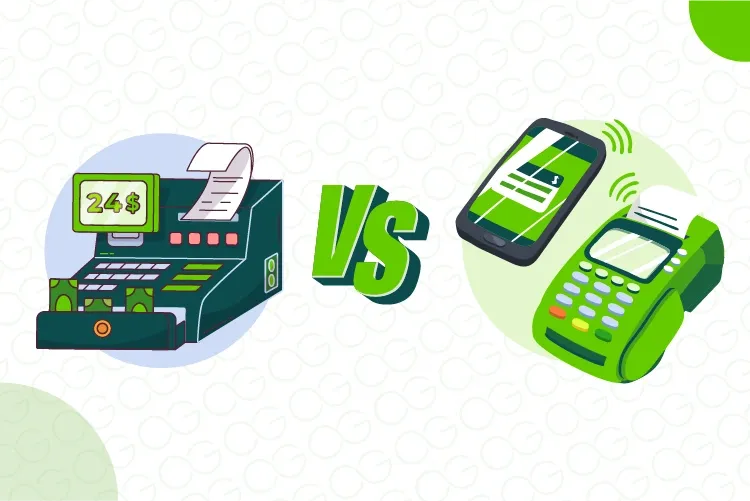
POS Systems vs Traditional Payment Methods The way businesses process payments has changed dramatically over the past decade. Traditional payment methods such as cash registers, manual receipts, and basic card machines are rapidly being replaced by modern Point of Sale (POS) systems.
POS Systems vs Traditional Payment Methods
In 2026, businesses across the United States are increasingly adopting advanced POS technology to improve efficiency, security, and customer experience. From small retail stores to large restaurants, companies are recognizing that modern POS systems offer far more than simple payment processing. In this article, we’ll explore the key differences between POS systems and traditional payment methods and why US businesses are making the switch.
What Are Traditional Payment Methods?
Traditional payment systems typically include:
- Cash registers
- Manual receipt books
- Standalone card terminals
- Basic bookkeeping methods
While these systems were once standard for businesses, they often lack advanced features needed to keep up with modern customer expectations and operational demands.
Traditional systems usually require manual tracking of sales, inventory, and financial records, which increases the chances of human errors.
What Is a Modern POS System?
A modern POS system is a digital platform that manages sales, payments, inventory, customer data, and reporting in one centralized system.
Most POS systems include features such as:
- Integrated credit card processing
- Inventory tracking
- Real-time sales reporting
- Customer management tools
- Cloud-based access
- Multi-location management
These features allow businesses to automate operations and make smarter decisions based on data insights.
1. Faster Transactions and Better Customer Experience
One of the biggest reasons businesses are switching to POS systems is speed.
Traditional cash registers often require manual entry of product prices and separate card machines for payment processing. This can slow down checkout and create long lines.
Modern POS systems streamline the entire process. Employees simply scan products, and the system calculates totals instantly. Customers can then pay using credit cards, debit cards, or contactless payment methods.
Faster checkout leads to shorter wait times and a more enjoyable shopping experience.
2. Real-Time Business Insights
Traditional payment systems provide very limited reporting. Business owners often need to manually review receipts or calculate sales totals at the end of the day.
POS systems, on the other hand, offer real-time analytics and reporting.
Business owners can instantly see:
- Daily sales performance
- Top-selling products
- Revenue trends
- Customer buying patterns
- Employee performance
These insights help businesses identify opportunities for growth and make data-driven decisions.
3. Improved Inventory Management
Managing inventory manually can be time-consuming and error-prone.
Traditional systems require staff to manually track stock levels, which can lead to:
- Overstocking
- Stock shortages
- Inventory inaccuracies
POS systems automatically update inventory whenever a sale occurs. Retailers receive alerts when products are running low and can restock items before they sell out.
This automation saves time and ensures better inventory control.
4. Enhanced Payment Flexibility
Consumers today expect multiple payment options. Traditional systems usually accept only cash or basic card payments.
Modern POS systems support a wide range of payment methods, including:
- Credit and debit cards
- Contactless payments
- Mobile wallets
- Online payments
- Gift cards and loyalty credits
Offering flexible payment options makes it easier for customers to complete purchases, which can increase overall sales.
5. Better Security and Fraud Protection
Security is a major concern for businesses that process payments.
Traditional payment systems often lack advanced protection against fraud and data breaches.
Modern POS systems include robust security features such as:
- EMV chip card technology
- End-to-end encryption
- Tokenization
- PCI compliance
These technologies protect sensitive customer payment information and reduce the risk of fraud.
By improving security, businesses also build trust with their customers.
6. Integration with Other Business Tools
Traditional payment systems operate independently and rarely connect with other business software.
Modern POS systems can integrate with various tools such as:
- Accounting software
- E-commerce platforms
- Customer loyalty programs
- Marketing automation tools
- Employee scheduling systems
This integration allows businesses to automate workflows and eliminate manual data entry.
For example, sales data from the POS system can automatically sync with accounting software, making financial reporting faster and more accurate.
7. Scalability for Growing Businesses
As businesses grow, traditional payment systems often become inefficient.
A POS system, however, can easily scale with the business. Many cloud-based POS platforms allow companies to manage multiple locations from a single dashboard.
Business owners can monitor performance across all stores, track inventory across locations, and standardize operations.
This scalability makes POS systems ideal for both small businesses and expanding companies.
Why the Shift Is Accelerating in 2026
Several factors are driving the rapid adoption of POS systems in the United States:
- Growth of contactless payments
- Increased demand for digital experiences
- Rise of e-commerce integration
- Need for data-driven business decisions
- Stronger security requirements
Customers today expect fast, convenient, and secure payment experiences. Businesses that fail to modernize risk falling behind competitors.
Final Thoughts
The shift from traditional payment methods to modern POS systems is transforming how businesses operate in the United States. POS technology not only simplifies payment processing but also improves inventory management, customer engagement, and business insights.
In 2026 and beyond, businesses that invest in advanced POS systems will be better positioned to meet customer expectations, streamline operations, and drive long-term growth.
For many companies, switching to a modern POS system is no longer just an upgrade—it’s a necessary step toward staying competitive in today’s digital economy.