
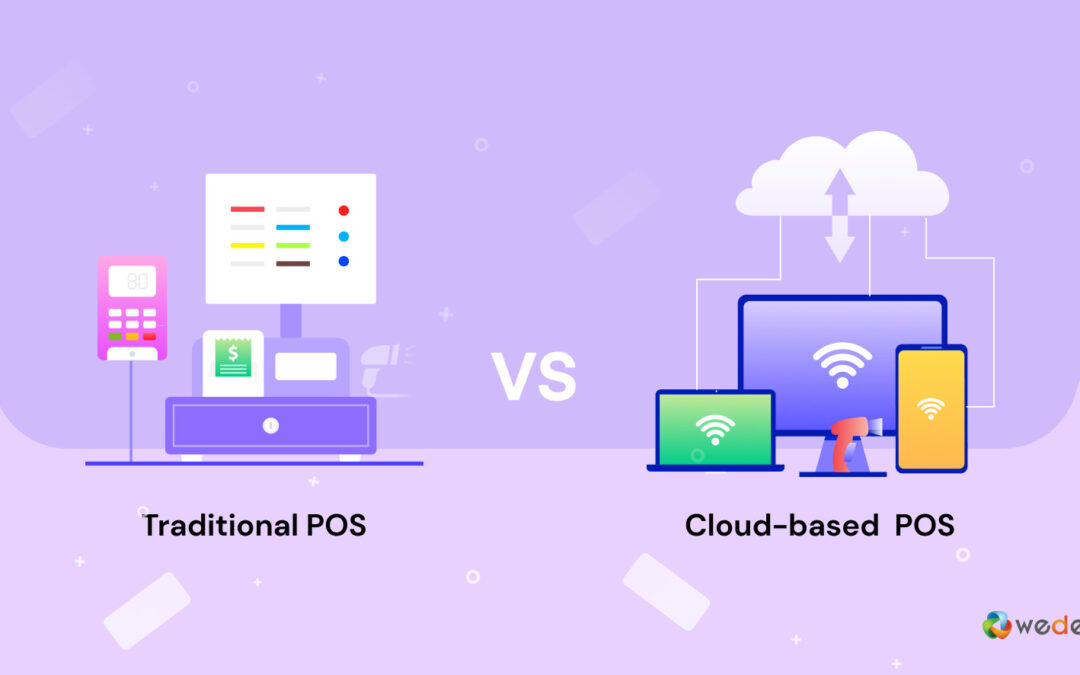
POS system vs traditional billing In today’s fast-paced retail environment, the way you handle billing can significantly impact your business efficiency, customer satisfaction, and overall growth. Store owners often face a crucial decision: should they stick with traditional billing methods or switch to a modern Point of Sale (POS) system?Understanding the differences between these two approaches can help you make the right choice for your store.
POS system vs traditional billing
What Is Traditional Billing?
Traditional billing refers to manual or semi-manual methods of recording sales transactions. This includes handwritten invoices, basic calculators, or simple billing software without advanced features.
While this method has been used for decades and is still common in small businesses, it comes with limitations. Manual billing is time-consuming, prone to human error, and lacks real-time data tracking.
What Is a POS System?
A POS (Point of Sale) system is a modern, technology-driven solution that automates billing and integrates multiple business operations into one platform. It typically includes hardware like barcode scanners, receipt printers, and software for managing sales, inventory, and customer data.
POS systems are widely used in retail stores, supermarkets, restaurants, and even small shops due to their efficiency and scalability.
Key Differences Between POS System and Traditional Billing
1. Speed and Efficiency
Traditional billing methods are slower because every transaction requires manual input. During peak hours, this can lead to long queues and frustrated customers.
In contrast, POS systems process transactions instantly using barcode scanning and automated calculations. This significantly reduces waiting time and improves customer experience.
2. Accuracy and Error Reduction
Human errors are common in traditional billing—incorrect pricing, calculation mistakes, or missing entries can lead to financial losses.
POS systems eliminate these risks by automating calculations and maintaining accurate records. Every transaction is digitally recorded, ensuring transparency and reliability.
3. Inventory Management
One of the biggest drawbacks of traditional billing is the lack of inventory tracking. Store owners often need to manually count stock, which is time-consuming and inefficient.
POS systems automatically update inventory in real-time after every sale. This helps prevent stockouts, overstocking, and improves overall inventory control.
4. Reporting and Insights
Traditional billing offers little to no reporting capabilities. Business decisions are often based on guesswork rather than data.
POS systems provide detailed reports on sales, profits, customer behavior, and product performance. These insights help store owners make informed decisions and plan strategies effectively.
5. Payment Options
Traditional billing usually supports only cash transactions or limited payment methods.
Modern POS systems support multiple payment options, including credit/debit cards, UPI, mobile wallets, and contactless payments. This flexibility enhances customer convenience and boosts sales.
6. Customer Experience
A slow billing process and lack of digital payments can negatively affect customer satisfaction.
POS systems offer a smooth and professional checkout experience. Features like digital receipts, loyalty programs, and quick billing improve customer engagement and retention.
7. Cost Consideration
Traditional billing appears cost-effective initially because it requires minimal investment.
However, in the long run, it can lead to inefficiencies, errors, and lost revenue. POS systems require an upfront investment but offer better returns through improved productivity and sales.
Advantages of POS Systems Over Traditional Billing
- Faster checkout process
- Real-time inventory tracking
- Accurate financial reporting
- Multiple payment integrations
- Enhanced customer experience
- Better business scalability
When Traditional Billing Might Still Work
Despite its limitations, traditional billing may still be suitable for:
- Very small businesses with low transaction volume
- Shops in areas with limited internet connectivity
- Businesses with minimal product variety
However, even in these cases, upgrading to a basic POS system can provide significant benefits.
Which One Is Better for Your Store?
The answer depends on the size and needs of your business. If you run a growing retail store, supermarket, or restaurant, a POS system is clearly the better choice. It not only simplifies billing but also helps manage your entire business efficiently.
On the other hand, if your store operates on a very small scale with limited transactions, traditional billing may suffice temporarily—but it may hinder growth in the long term.
Conclusion
In the comparison of POS systems vs traditional billing, modern POS solutions clearly stand out as the more efficient and future-ready option. They save time, reduce errors, improve customer satisfaction, and provide valuable business insights.
As retail continues to evolve, adopting a POS system is no longer a luxury—it’s a necessity for staying competitive. Investing in the right technology today can set your store up for long-term success.