
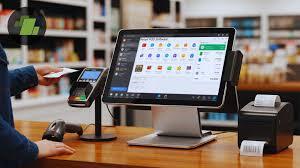
POS System Features In today’s competitive retail landscape, a Point of Sale (POS) system is no longer just a billing tool — it’s the backbone of your entire business operation. From tracking inventory to analyzing sales performance, the right POS system can dramatically improve efficiency, profitability, and customer satisfaction.
POS System Features
Modern platforms like Square, Shopify, and Lightspeed have transformed what retailers expect from POS technology.If you’re planning to upgrade or launch a retail business in 2026, here are 9 must-have POS system features you simply can’t ignore.
1. Real-Time Inventory Management
Inventory errors can cost retailers thousands in lost sales and overstocking.
A modern POS system should automatically update inventory levels in real time whenever a sale is made. This helps you:
- Avoid stockouts
- Prevent over-ordering
- Track fast-moving items
- Monitor shrinkage
Advanced systems even provide low-stock alerts and automatic purchase order generation.
2. Integrated Payment Processing
Customers expect flexible payment options. Your POS system must support:
- Credit and debit cards
- Contactless payments
- Mobile wallets
- UPI and QR-based payments
- Gift cards
Seamless, fast checkout reduces long lines and improves customer experience. Integrated payment processing also eliminates the need for third-party terminals.
3. Detailed Sales Reporting & Analytics
Data is power in retail.
A high-quality POS system should provide real-time dashboards showing:
- Daily and monthly sales
- Top-selling products
- Profit margins
- Employee performance
- Peak sales hours
Analytics help you make smarter business decisions. Instead of guessing which products perform well, you rely on accurate sales data.
4. Customer Relationship Management (CRM)
Retail success isn’t just about selling — it’s about building relationships.
Built-in CRM features allow you to:
- Store customer contact details
- Track purchase history
- Create loyalty programs
- Offer personalized promotions
Understanding buying behavior helps increase repeat purchases and long-term customer value.
5. Multi-Store Management
If you operate multiple branches, centralized management is essential.
Modern POS systems allow you to monitor inventory, sales, and staff performance across all store locations from a single dashboard. This ensures consistency and improves operational control.
Cloud-based systems make multi-store synchronization seamless and accessible from anywhere.
6. Employee Management Tools
Retail operations depend heavily on staff performance.
A POS system should allow you to:
- Assign user roles and permissions
- Track employee sales
- Monitor clock-in and clock-out times
- Reduce internal fraud
By analyzing employee performance data, you can reward top performers and improve training strategies.
7. E-commerce Integration
In 2026, retail is omnichannel. Customers expect a smooth experience whether they shop online or in-store.
Your POS system must integrate with your e-commerce platform so that:
- Inventory syncs automatically
- Online and offline sales data merge
- Customers can buy online and pick up in-store
Retailers using platforms like Shopify benefit from seamless POS and online store integration.
8. Mobile & Cloud Accessibility
Gone are the days when POS systems were limited to bulky desktop machines.
Cloud-based POS systems offer:
- Access from smartphones and tablets
- Remote monitoring
- Automatic software updates
- Secure cloud backups
Mobility allows business owners to manage operations even when they’re not physically present in the store.
9. Security & Data Protection
Retailers handle sensitive customer and payment information. A secure POS system must include:
- End-to-end encryption
- Secure login authentication
- Role-based access control
- PCI compliance
Security breaches can damage reputation and result in heavy penalties. Investing in a secure system protects both your customers and your business.
Why Choosing the Right POS System Matters
A powerful POS system does more than process transactions — it streamlines operations, improves decision-making, and enhances customer experience.
Retailers who adopt advanced POS solutions often experience:
- Faster checkout times
- Improved inventory accuracy
- Higher customer retention
- Increased profitability
Choosing the wrong system, on the other hand, can limit growth and create operational bottlenecks.
Final Thoughts
Retail in 2026 is smarter, faster, and more data-driven than ever before. A POS system is no longer optional — it’s a strategic investment.
By ensuring your system includes these 9 must-have POS system features, you position your retail business for long-term success. Whether you’re a small boutique or a multi-location chain, the right POS technology can give you a serious competitive advantage.
If you’re building or upgrading your retail setup, focus on scalability, security, and seamless integration — because the right POS system doesn’t just support your business… it powers it.