
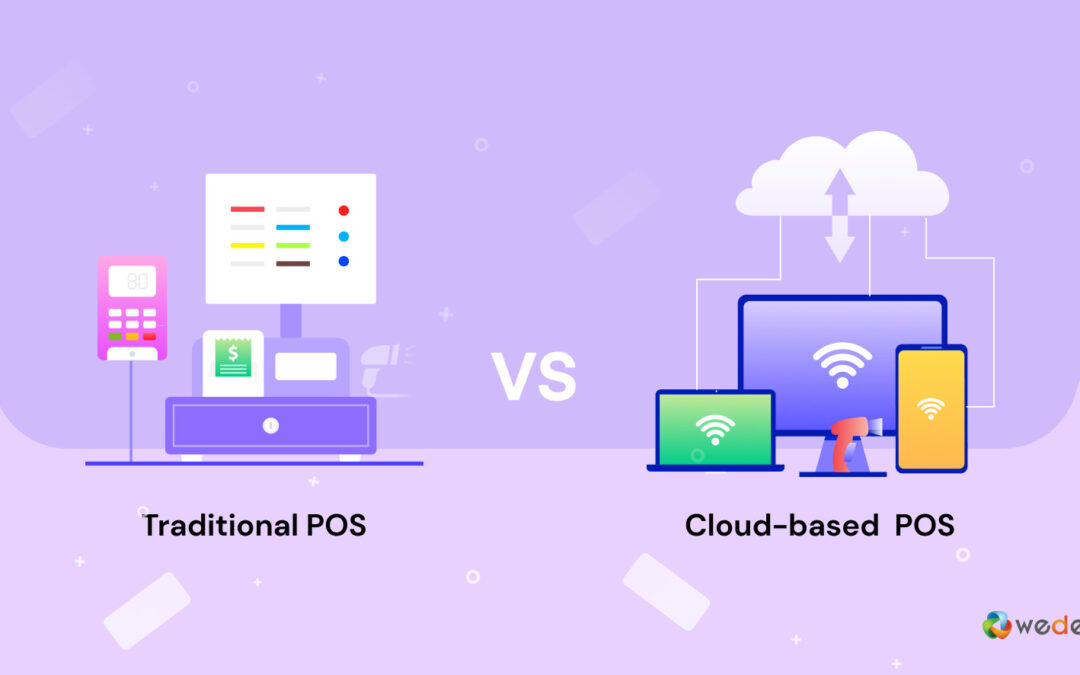
POS system vs traditional billing For small and medium businesses (SMBs), choosing the right billing system can directly impact daily operations, customer satisfaction, and long-term growth. Many businesses still rely on traditional billing methods such as manual cash registers, handwritten bills, or basic billing software. While these methods may seem cost-effective at first, they often fall short in today’s fast-paced, data-driven business environment.
POS system vs traditional billing
This article compares POS systems vs traditional billing to help small and medium businesses decide which option is better in 2026 and beyond.
What Is Traditional Billing?
Traditional billing typically involves basic tools such as:
- Cash registers
- Manual receipt books
- Standalone billing software
- Spreadsheet-based records
POS system vs traditional billing
These systems focus mainly on generating bills and collecting payments. While they may work for very small or low-volume businesses, they lack automation, integration, and scalability.
Pros of Traditional Billing
- Low initial cost
- Simple to understand
- No dependency on internet or advanced technology
Limitations of Traditional Billing
Despite its simplicity, traditional billing has several drawbacks:
- Manual errors in billing and calculations
- No real-time inventory tracking
- Limited or no sales analytics
- Difficult to scale as the business grows
- Poor support for digital payments and customer data
What Is a POS System?
Conclusion
When comparing POS system vs traditional billing, the answer is clear for most small and medium businesses. Traditional billing may work in the short term, but it limits efficiency, scalability, and insight. A modern POS system offers speed, accuracy, better customer experience, and powerful business intelligence.
In 2026, adopting a POS system is not just about billing—it’s about building a smarter, more competitive, and future-ready business. For SMBs looking to grow and stay relevant, a POS system is the better choice.